
Programming for Transformation: How to Design Retreat Agendas That Drive Action
The structure, self-care integration, and facilitation principles that create conditions for breakthroughs instead of just busy schedules
Thanks for being here. I’m watching the subscriber count climb daily (LOVE those email notifications! And honestly, it still surprises me every time. Why it does, IDK but they genuinely make me so happy. I’d really like to keep sharing this content for free and your paid subscription motivates me to keep doing that.
When I started this Substack, I wasn’t sure where it would and if anyone would be interested in my entrepreneurial POV. But here you are, reading, engaging, sharing these articles with your teams. Or perhaps just reading for yourself. Either way, that means the world to me.
If you’re new here, welcome to this community. And if you’ve been following since Article 1, thank you for sticking with me through this entire retreat series. We’re getting to the good stuff now. It’s a long one and jam-packed with helpful insights.
After five years of hosting strategic retreats, I’ve learned this: The difference between a retreat people remember fondly and a retreat that actually changes how people work isn’t the location, the budget, or even the quality of the food.
It’s the programming. Hands down. I thought that I’d have a hard time beating our 2025 retreat because it was at an all-inclusive resort in Cabo. I mean….but turns out, we met 2 weeks ago in Denver, CO and all I heard was “This has been the best retreat yet.”
You can have the perfect venue, flawless logistics, and a team that’s genuinely excited to be there. But if the programming doesn’t create space for real work, honest conversations, and actionable outcomes, everyone goes home with warm feelings and nothing changes.
I can’t say this enough. Don’t lose focus over being fancy.
This article is about how to design retreat programming that drives transformation, not just fills time. How to balance Connection, Clarity, Capacity, and Commitment in practice. How to create the conditions where someone can arrive feeling stuck and leave with a clear path forward.
This is the inside look at what actually happens during those three days around the table.
The Programming Philosophy: Structure + Flexibility
Here’s what doesn’t work: Over-programming every hour with scheduled activities, sessions, and agenda items. Even reading that sentence makes me cringe. Don’t get me wrong, I love me some structure BUT at what cost?
And here’s what also doesn’t work: Complete free-form with no structure at all, hoping magic happens organically. Spoiler alert : if you go this route, you’ll run the risk of the days flying by and people leaving without feeling like it was a productive, successful experience together. Which is exactly what you do NOT want to happen.
The sweet spot is what I call structured flexibility. You have enough structure to create psychological safety and direction, but enough flexibility to follow the energy and the questions that emerge naturally.
What this looks like in practice:
We have topics we need to cover, or we’d like to cover (note the difference. You may have housekeeping items to bring up to the group). Decisions that need to be made. Questions people brought with them. But we don’t have a rigid schedule of “9am-10am: Topic A, 10am-11am: Topic B.”
Instead, we work in natural rhythms. We start each day knowing what we need to accomplish. We end each day knowing what we actually worked on. And in between, we follow the conversations where they need to go.
My way of organizing it all is grouping everyone’s submitted Q’s or things they want to talk about by theme. It naturally seems to happen so after putting a call out for Q’s and topics, I keep them all on a note. Then, about 2 weeks before the retreat begins, I organize them & add in my two cents.
This way to organize requires trust. Trust that the work will happen. Trust that the group won’t waste time. Trust that when you create the right conditions, people will do deep work without being micromanaged through every minute. Trust that someone is being a doula to those items.
After five years, I can tell you: This trust is earned by setting clear expectations upfront, being transparent about the agenda (it’s on a shared note) and then actually delivering on them consistently.
The 4C Framework in Action
Let me show you how Connection, Clarity, Capacity, and Commitment actually show up in retreat programming.
Connection: Creating the Container
Connection isn’t a scheduled “team building exercise” at 2pm on day one. Connection is woven throughout the entire experience.
How Connection shows up:
The welcome dinner: We go out for one meal together at a local restaurant. This is intentional. It’s the transition from “we’re all arriving separately” to “we’re here together.” It’s lower stakes than diving straight into business strategy. People can ease into being together, share what’s been happening since we last talked, laugh about travel mishaps. And just chat.
It’s a great way to reconnect, especially if there’s any new faces in the group.
One drink each. Good food. Maybe we’re there for two hours. With our group, the time flies by between loud laughs and giggles. Then we head back to the property. And as we’re all women in our mid-40’s and up, we go to bed..or at a minimum, get into our jammies and chat.
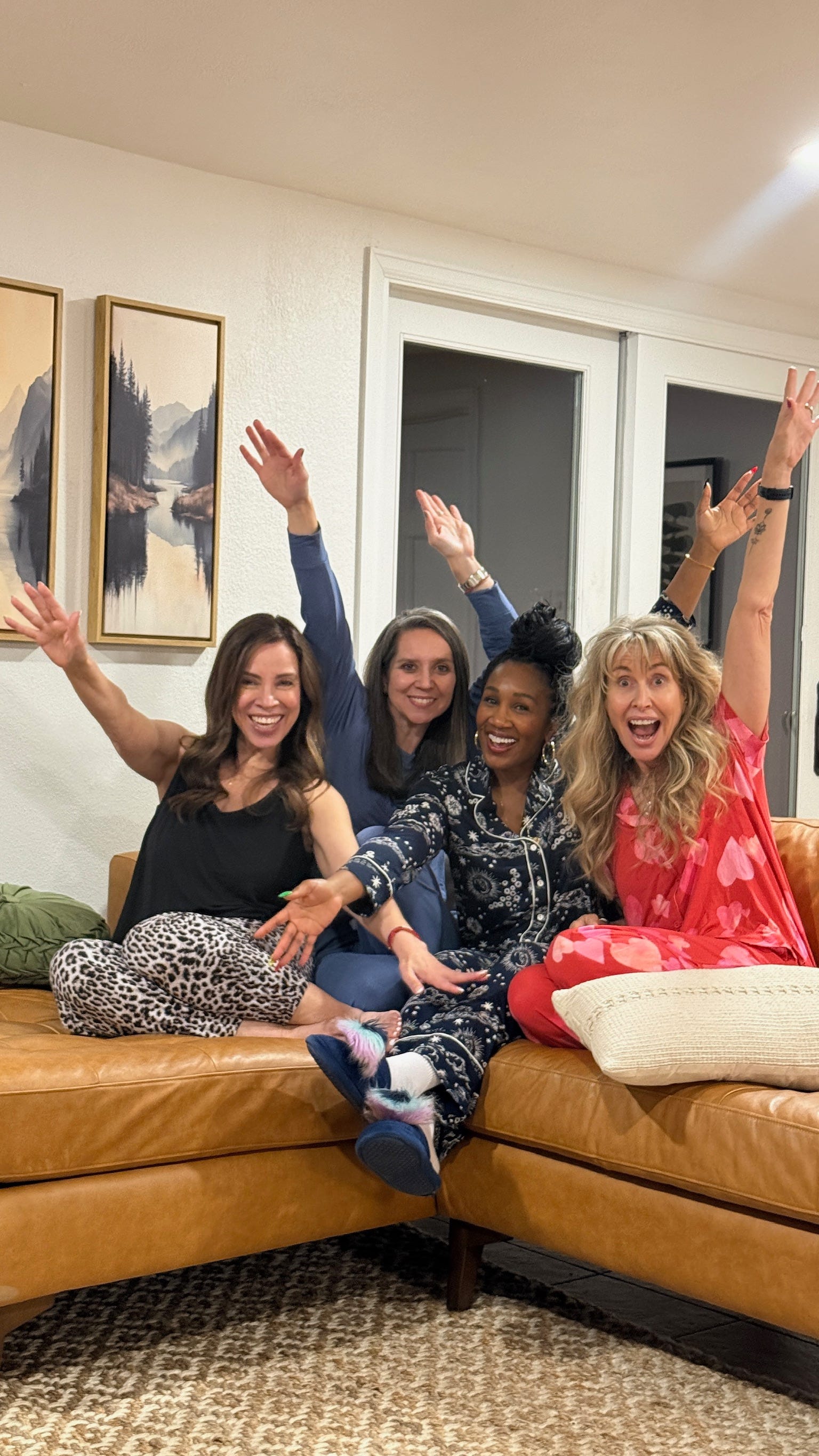
[MAJOR thank you to Soma Intimates for being the official PJ sponsor of my 2026 5th Annual Agency Retreat and Mastermind. #somapartner]
This sets the tone: We’re here to work, but we’re also here to be humans together.
Gift bags waiting at arrival: Before anyone gets to the property, I’ve already placed gift bags in their rooms. Thoughtful items. Things they’ll actually use. Not random swag with a logo on it. Things with MY logo on it.
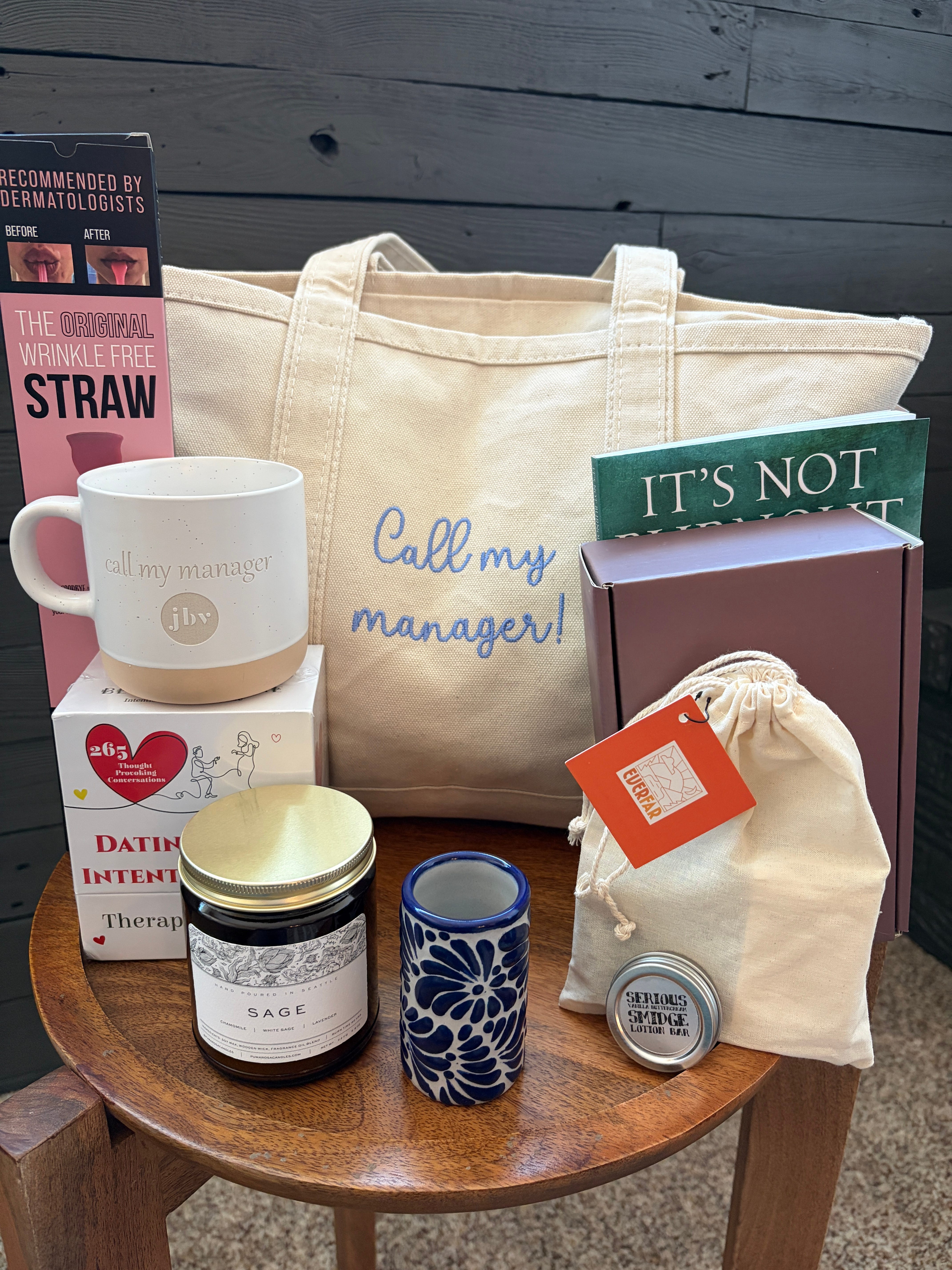
This year’s favorites included specific items people kept mentioning afterward. The gift bags say: I thought about you individually before you even arrived. You matter here.
(I’ll share more about gift bag strategy in a future article because there’s an entire philosophy behind what works and what doesn’t.)
Shared meals at the property: After that first dinner out, everything else happens at the table in our shared space. We order in or cook together. We eat leftovers for lunch the next day. We’re never rushing to get somewhere or managing restaurant timing.
This keeps us in the container. The shared space becomes ours. The table where we eat is the same table where we work. There’s no separation between “social time” and “work time” because it’s all time together.
We’ve had retreats where we’ve gone out for meals, and truthfully? Pun totally intended (it always is with me!), it ate into too much time - the getting ready part, the car transport part either driving or waiting for a Lyft, waiting for our table part.
Self-care amenities (and actually using them): Cold plunge, sauna, hot tub, workout space. These aren’t just nice-to-haves or luxury touches. They’re operational tools.
When someone needs to move their body after three hours at the table, they can. When the energy is flagging at 4pm, someone suggests the hot tub and suddenly we’re continuing the conversation there. When someone processes by moving, the workout space gives them that option.
The key: These amenities support the work, they don’t compete with it. Because we’re not leaving the property, these moments of self-care keep the group cohesion intact while giving people what they need to stay engaged.
The long history: This year’s retreat had four people who’ve been working together for 8-10 years. That depth of relationship means we can skip the surface level entirely. Goodness knows we’ve been deep in each other’s lives for eons.
We don’t need to prove ourselves. We don’t need to position carefully. We can get straight to what’s actually stuck, what’s actually scary, what we’re actually unsure about.
If you’re planning a retreat with a newer team, you’ll need to invest more intentionally in Connection building. But the principle remains: Connection is what makes everything else possible.
Clarity: Space for Strategic Work
Clarity programming is about creating conditions where people can actually think, not just react.
How Clarity shows up:
Uninterrupted time: We spend all our waking hours around the table. Laptops open, notebooks out, conversation flowing. But here’s what we’re not doing: checking Slack (or your version of) every ten minutes, responding to client emails, managing the day-to-day.
Phones are present but not dominant. We’re not performing “being on a retreat” for social media. We’re actually working.
This uninterrupted time is rare. For entrepreneurs and business owners, three days of protected strategic thinking time might be more than they get in six months of regular life.
Each person’s biggest question gets time: Before the retreat, I gathered everyone’s questions. During the retreat, we make sure each person’s biggest stuck point gets real attention from the group.
Not a quick “here’s my advice” surface response. Deep attention. “Tell me more about that. What have you tried? What’s really stopping you? What would need to be true for this to work?”
I also pose the question as we get closer to the end, “is there anything still lingering that you want addressed? Something you need to ask to feel complete?”
This year, someone had been considering a significant investment for months. By the time we worked through it together, the decision was clear: Don’t do it. That’s Clarity. That’s what happens when you have space to think and people who care enough to ask hard questions.
Permission to say no: Some of the most valuable Clarity that emerges is about what NOT to do. (These are my favorite takeaways. And they’re so liberating!)
Stop pursuing that opportunity that looks good on paper but doesn’t align. Stop trying to make that tool work when it’s not the right fit. Stop pushing forward on the project that you’re only doing because you think you should, not because you actually want to.
These “no” decisions are harder to make alone. The retreat creates space for them to surface and get validated.
Review what’s working and what’s not: We don’t just plan forward. We look back. What’s been working well? What needs to shift? Where are we spending energy that’s not producing results?
This backward look informs the forward planning. You can’t have real Clarity about what to do next without honest assessment of what’s been happening.
Capacity: Building Tool Mastery
Capacity programming is where the Implementation Gap gets closed.
How Capacity shows up:
Deep dives on tools we all use: This year, AI tools and GEO authority strategies were major focus areas. Not because we were starting from zero, but because we all had foundational knowledge and were ready to go deeper.
“Here’s how I’m using this AI tool for content strategy. Here’s what’s working. Here’s where I’m stuck. Has anyone figured out how to do X?”
Collective intelligence in action. Someone in the room has figured it out or has tried something similar. We learn from each other’s experiments.
Live troubleshooting: Someone shares their screen. “I’m trying to do this thing with schema for my website and it’s not working.” “Here’s the exact prompt I asked AI".” We problem-solve together in real time.
This is capacity building that couldn’t happen async. It requires shared attention, immediate feedback, iterative learning.
Moving from surface to strategic: We could spend retreat time on basic how-to’s, but that’s not the highest use of this time together. Instead, we assume baseline competence and focus on strategic deployment.
Not “what is SEO” but “how do we think about SEO as part of a larger authority-building strategy.”
Not “what tools exist” but “which tools actually move the needle for the kind of business we’re building.”
This is only possible when everyone has done their homework. When the group’s collective expertise is high enough that you can skip the 101 level entirely.
Building understanding, not just executing tasks: The goal isn’t to finish a bunch of to-dos during the retreat. The goal is to build understanding that makes execution easier when people return home.
“I finally get why this matters. I understand how this connects to that. I see the strategy behind the tactic.”
That understanding is what drives sustained action after the retreat ends.
Commitment: Turning Insights Into Action
Commitment programming is about making sure good ideas actually become reality.
How Commitment shows up:
Specific next steps, not vague intentions: Everyone leaves with a to-do list. But these aren’t generic “work on website” items. They’re specific: “Implement schema markup using this specific tool. Update About page with this positioning. Create content calendar using this framework we developed together.”
Specific is actionable. Vague stays stuck.
Accountability structures: We’re clear about who’s doing what and when we’ll check back in. In our world, the accountability comes from self as we’re all working to improve our own collective businesses. I can tell you that our group text thread is VERY busy with everyone sharing the impact and results of taking actions along with continuing to ask questions.
The point is: Commitment doesn’t end when the retreat ends. There’s follow-through built into the system.
Decision documentation: We write things down. Decisions we made. Strategies we agreed on. Approaches we’re taking.
This matters because memories fade. Clarity that felt obvious on day two of the retreat can feel fuzzy two weeks later. Documentation preserves the thinking.
Momentum planning: On the last day, we talk about maintaining momentum. What needs to happen in week one back home? What’s the first domino? What support does anyone need?
This isn’t just logistical. It’s psychological. The retreat creates momentum. The programming needs to set people up to maintain it.
The Daily Rhythm
Here’s what our days actually look like, though remember: This is structured flexibility, not rigid scheduling.
Morning (9am-12pm):
Coffee and breakfast already available (no one’s waiting for food)
Gather around the table naturally
Dive into first topic or question
Deep work mode, high energy
Laptops open, collaborative problem-solving
Self-care amenities used as needed


Midday (12pm-2pm):
Lunch (usually leftovers from previous night’s dinner, or something simple ordered in)
Sometimes the conversation continues through lunch
Sometimes people break off for calls or solo work
Self-care amenities used as needed
Afternoon (2pm-6pm):
Back at the table for more focused work
Energy might dip around 3-4pm (this is when someone might suggest a hot tub break)
Continue working through questions and strategy
Start crystallizing decisions and commitments
Evening (6pm-whenever):
Dinner together (ordered in or cooked together)
Conversations continue organically
Sometimes we’re still actively working on business stuff
Sometimes it shifts to more personal, reflective conversation
People drift off to bed at different times
What you’ll notice: There’s no “retreat ends at 5pm” mentality. People keep talking and working because they want to, not because it’s scheduled. This is the agenda that works best for us. You do you!
Why We Never Leave the Property
The Cabo retreat taught me this lesson clearly: Leaving the property dilutes focus.
When you have a beautiful resort with a spa and a pool and restaurants and activities, there’s always a reason to not be working. “Should we go to the pool?” “Want to book a massage?”
Each of those decisions fragments the group. Someone’s at the spa while someone else is at the pool. You’re coordinating meeting times instead of just being together.
The domestic Airbnb model solves this:
Everything we need is here. Food gets delivered or we cook it ourselves. Self-care happens on property. Entertainment is conversation with each other. There’s nowhere else to be.
This creates what I think of as “productive boredom.” There’s nothing to do except the work we came here to do. And that’s exactly the point.
The one exception: That welcome dinner. One meal out to mark the transition into retreat mode. After that, we’re in the container until it’s time to go home.
The Gift Bag Philosophy
Gift bags deserve more attention than most retreat planners give them. Done well, they’re an extension of Connection. Done poorly, they’re forgettable clutter.
What makes a good gift bag:
Thoughtful, not generic: I think about each person individually. What would they actually use? What would make them smile? What shows I know them?
Not branded swag, unless it’s cute and people will actually like it. Not random items because you needed to fill the bag. Curated items that matter.
Items people mention afterward: This year, people kept bringing up specific things from their gift bags. That’s the measure of success. If no one mentions the gift bag, it didn’t land.
Practical + delightful: Mix of useful items (something they’ll use during the retreat or take home and use regularly) and delightful surprises (something unexpected that makes them happy).
Waiting at arrival: The gift bag is in their room before they get there. It’s the first signal: You’re thought of here. You matter.
I’ll do a full breakdown of gift bag strategy in a future article because there’s real art and science to this.
The Food Strategy
Food might seem like a minor detail. It’s not. Food strategy directly impacts the quality of work time.
What works:
One welcome dinner out: Sets the tone, gets everyone together, marks the transition. Then we’re done with restaurants for the duration.
Everything else at the property: Order in from local restaurants. Cook together. Stock the kitchen with breakfast items, coffee, snacks.
Leftovers as meals: When we order dinner, we order enough for lunch the next day. This saves time, saves money, and keeps us at the table instead of figuring out lunch logistics.
Simple, not fancy: No one needs elaborate multi-course meals. What people need is good food that doesn’t require thinking about. Fuel for the work.
One drink at dinner, that’s it: This retreat is work time. Alcohol changes the energy. One drink at welcome dinner is fine. After that, we’re staying sharp.
Why this matters:
Every time you leave the property for a meal, you lose 2 hours minimum. Getting ready, driving there, waiting for food, eating, getting back. That’s 120 minutes that could have been spent around the table doing strategic work.
Ordering in: 15 minutes to decide what to order, 30-45 minutes for delivery, eating while continuing to work or talk. Maybe an hour total, and you never left the conversation. It’s efficient.
The math is simple: Maximize time together, minimize friction.
Creating Psychological Safety for Deep Work
The best programming in the world doesn’t matter if people don’t feel safe enough to be honest.
How to create psychological safety:
Start with the welcome dinner: Lower stakes social time before diving into business strategy. People remember they like each other, they’re on the same team, this is safe space.
Model vulnerability: As the facilitator, I share my own stuck points. I admit what I don’t know. I ask for help. This gives permission for everyone else to do the same.
No judgment on questions: There are no stupid questions in this space. We’re all learning. We all have gaps. The whole point is to surface what we don’t know so we can figure it out together.
Celebrate the “no” decisions: When someone decides not to do something, we celebrate that clarity. We don’t judge them for almost making a mistake. We honor the discernment.
Private conversations available: Sometimes someone needs to talk through something one-on-one before bringing it to the group. I make it clear I’m available for that. Sometimes the best thing that happens at a retreat happens in a hallway conversation, not at the main table.
Long-term relationships matter: The 8-10 years of history in this year’s group created safety that would be hard to manufacture quickly. But you can build toward it intentionally with newer teams.
What Makes Programming Actionable vs. Just Interesting
Here’s the difference between a retreat people found “really interesting” and a retreat people found “incredibly actionable”:
Actionable retreats:
Focus on specific, real challenges people are facing right now
Create space for decision-making, not just information sharing
Build capability to execute, not just awareness of what should be done
Continuing conversation after the retreat ends
Just interesting retreats:
Focus on theoretical concepts or general best practices
Share a lot of information without application to specific situations
People leave excited but unclear on what to actually do differently
No follow-up or accountability structures
How to ensure your programming is actionable:
Before the retreat, ask: “What do you want to have accomplished or decided by the time we leave?”
During the retreat, keep asking: “So what are you going to do with this? What’s the specific next step?”
After the retreat, follow up: “Did you do the thing you said you’d do? What support do you need?”
This isn’t complicated. But it requires intention.
Facilitation Principles
Someone needs to facilitate. Even in a small, intimate group where everyone contributes, someone needs to hold the container.
What facilitation looks like in this model:
Ensuring everyone’s questions get time: Some people naturally take up space. Some people naturally hold back. As facilitator, I make sure the quieter voices get heard and the bigger voices quiet when necessary.
Redirecting when conversations drift: Sometimes drift is good (that’s where unexpected insights come from). Sometimes drift is avoidance. Knowing the difference matters.
Naming what’s happening: “I notice we keep circling back to this topic. Should we spend real time on it?” or “I’m sensing some tension here. Do we need to address it directly?”
Managing energy: When energy flags, suggest a break or a change of scene (hot tub, walk, whatever). When energy is high, ride it and keep working.
Documenting decisions: Someone needs to write things down. Decisions made, commitments established, next steps agreed on. If no one’s documenting, people will remember different versions of what happened.
Following the questions: The best facilitation follows the group’s questions rather than imposing a pre-set agenda. Trust that the right things will surface.
Common Programming Mistakes
After five years and watching other teams attempt similar retreats, here are the mistakes I see most often:
Over-scheduling: Trying to fit too much into the time available. People need space to think, not just space to consume information.
Under-preparing: Showing up without any structure and hoping magic happens. It usually doesn’t.
Treating it like a vacation: If people think this is primarily social/fun time, they won’t come prepared to work.
Ignoring self-care: All work and no breaks burns people out. You need both.
No follow-up plan: The retreat ends and everyone goes back to regular life with no accountability structures. Momentum dies.
Bringing in outside speakers: For this model of intimate strategic work, outside voices usually disrupt more than they add. The value is in the collective intelligence of the group.
Leaving the property too much: Every departure fractures the container and dilutes focus.
Not gathering input beforehand: If you’re deciding the agenda without asking what people actually need, you’re probably missing the mark.
Measuring Success in Real Time
How do you know if the programming is working while you’re still in the retreat?
Good signs:
People lose track of time. Conversations go longer than planned because they’re valuable. Energy is high even though we’ve been working all day. Laughter and serious strategic talk happen in the same conversation. People are taking notes furiously. Decisions are getting made. Someone says “I finally understand this thing I’ve been confused about for months.” People voluntarily keep working into the evening.
Warning signs:
People keep checking their phones. Conversations feel surface-level. Energy drags. People seem eager to take breaks or leave the table. No one’s taking notes. Discussions don’t lead anywhere. Everything feels vague or theoretical. People are watching the clock.
Mid-retreat adjustments:
Good programming includes the flexibility to adjust. If something isn’t working, acknowledge it and shift. If something’s working really well, give it more time.
The facilitator’s job is to read the room and respond, not rigidly stick to a plan that isn’t serving the group.
The Compound Effect
Here’s what I’ve learned over five years: Each retreat informs the next. The programming gets better because you’re learning what works with this specific group.
First-year retreats often focus on getting to know each other’s businesses and working styles. Second-year retreats can go deeper because there’s foundation. By year five, the depth of conversation possible is remarkable.
This is the compound effect of consistent retreats. You’re not starting from scratch each time. You’re building on shared history, shared language, shared understanding.
What this means for you:
If you’re planning your first retreat, give yourself grace. It might not be perfect. That’s okay. Learn from it and make the second one better.
If you’re several years in, recognize the value of that accumulated knowledge. Don’t throw out what’s working just to try something new.
The systematic improvement happens over time, not all at once.
What This Looks Like in Practice
Let me give you a real example from this year’s retreat.
Someone was stuck on whether to pursue a significant business investment. She’d been thinking about it for months. It looked good on paper. It checked boxes. But something felt off.
We spent probably two hours on this question, spread across two days. Not two hours of me telling her what to do. Two hours of the group asking questions:
“Why do you want to do this?” “What problem does this solve?” “What would success look like?” “What’s the worst case scenario?” “If you don’t do this, what happens?” “What’s the real fear here?”
By day two, she had clarity: Don’t do it. The investment wasn’t wrong, but it wasn’t right for her business right now. It was something she thought she should want, not something she actually wanted.
That clarity saved thousands of dollars and months of misaligned effort.
That’s what good programming creates: Space for real questions, time for deep thinking, permission to be honest, and collective intelligence to get to better answers than anyone could have reached alone.
The Reminder: Focus Beats Fancy
I’ll end where I started: Programming matters more than location, budget, or amenities.
You can have the perfect retreat center or the luxury resort or the exotic destination. But if the programming doesn’t create space for Connection, Clarity, Capacity, and Commitment, people will leave with good memories and nothing will change.
Or you can have a simple Airbnb outside Denver with a great table and some self-care amenities and three days of focused, intentional programming that results in breakthroughs, decisions, and momentum.
Focus beats fancy. Every time.
In the next and final article in this series, I’ll share how to measure impact after the retreat ends, how to maintain momentum, and how to systematically improve with each iteration.
Because a great retreat doesn’t end when everyone goes home. The real work is just beginning.
Next in the series, later this week : Post-Retreat Momentum: Measuring Impact and Systematic Improvement
💜 If The Negotiation Notebook speaks to you each week, here are a few ways to support and stay connected:
💜 Like this article? Hit the heart button below! It helps more founders find this work
✍🏼 Leave me a comment. What did you think of this article? Have a different POV or similar story? I read every single comment and they often inspire future pieces
📸 Screenshot your favorite line and share it to LinkedIn. Tag me @johannavoss so I don’t miss it!
👩🏻💻 COO & Chief of Staff work
I’m the strategic thinking partner for female founders who are tired of being the only one holding the full picture. You’ve built something real—$3-10M, 6-25 people—but now you’re drowning in decisions only you can make (or so you think). I help you separate what only you can do from what needs a strategic partner, build team communication that actually works, and turn your vision into a plan your team can execute.
U always cover all the angles, consider the team, needs of the group and no detail goes unnoticed. Each year u build on the successes. Well done